问题:解释 Python 中大小写敏感性的概念。描述 Python 如何处理标识符(如变量名和函数名)的大小写敏感性。举例说明 Python 中大小写敏感和大小写不敏感行为的区别。
解决方案:
Python 中的大小写敏感性: Python 中的大小写敏感性是指标识符(如变量名、函数名、模块名和类名等)中大写字母和小写字母之间的区别。Python 是一种大小写敏感的编程语言,这意味着它将大写字母和小写字母视为不同的字符。因此,不同字母大小写的标识符被视为不同的实体。
大小写敏感性示例:
让我们看一些例子来了解大小写敏感性在 Python 中的作用:
变量名:
myVariable = 10
myvariable = 20
print (myVariable) # 10
print (myvariable) # 20

模块名:
import math
import Math # This will result in an ImportError

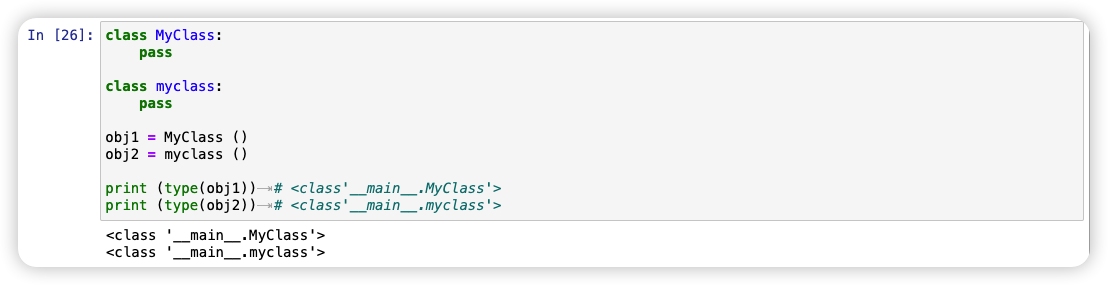
类名:
class MyClass:
        pass

class myclass:
        pass

obj1 = MyClass ()
obj2 = myclass ()

print (type(obj1))  # <class'__main__.MyClass'>
print (type(obj2))  # <class'__main__.myclass'>
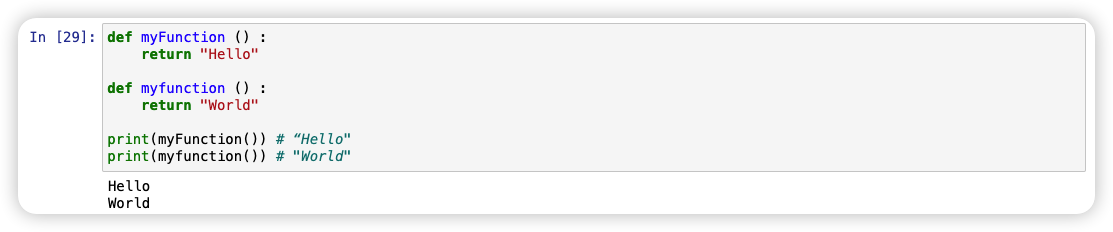
函数名:
def myFunction () :
        return "Hello"

def myfunction () :
        return "World"

print(myFunction()) # “Hello"
print(myfunction()) # "World"